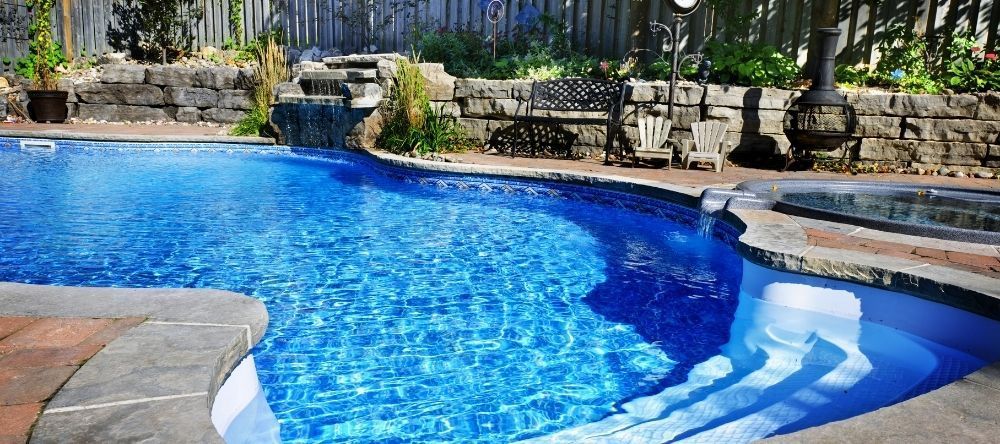
The Latest in Pool Automation: Smart Pool Systems
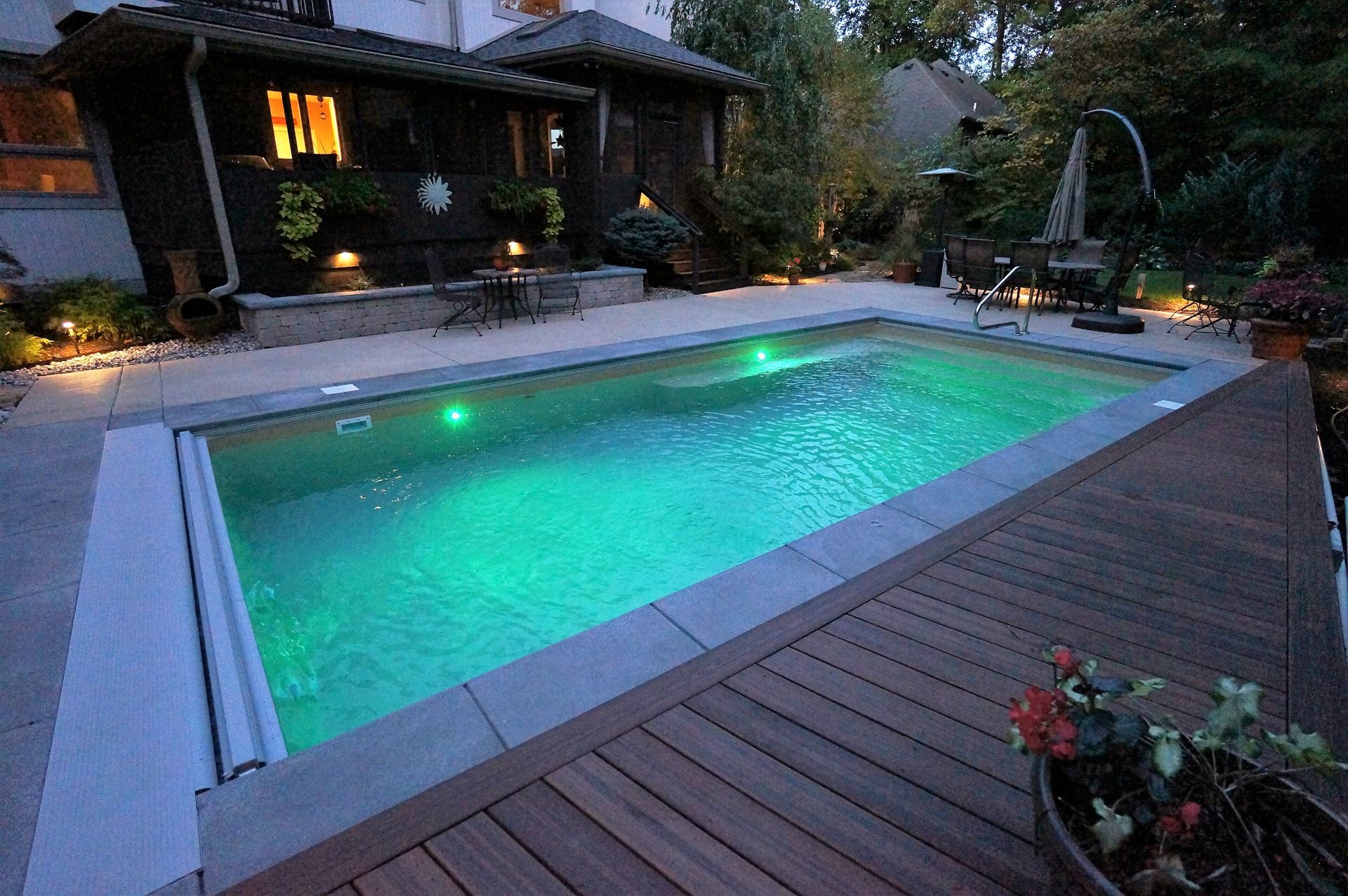
Modern pool ownership has entered a new era, thanks to smart technology. Pool automation systems make it easier than ever to manage maintenance, comfort, and safety with just a few taps on your smartphone or tablet. From scheduling cleanings to controlling water features, smart pool systems offer unmatched convenience and efficiency.


Remote Control Convenience


With smart pool systems, you can control essential functions like pumps, heaters, lights, and chlorinators from anywhere. Whether you're at home or away on vacation, your pool stays in top shape without manual effort.


Automated Cleaning and Circulation


Robotic pool cleaners and smart filtration systems work together to keep your water crystal clear. These systems can be programmed to run at optimal times, reducing energy consumption and ensuring your pool is always swim-ready.


Efficient Chemical Management


Advanced automation systems monitor water chemistry in real time, automatically adjusting chlorine and pH levels as needed. This precise control minimizes chemical usage while maintaining safe, balanced water conditions.


Customizable Features


Smart pool systems let you create presets for lighting, fountains, and water temperature. Whether you're hosting a party or enjoying a quiet evening swim, a single tap sets the perfect mood.


Energy Savings and Sustainability


By running equipment only when necessary, smart systems reduce energy use and extend the life of your pool components. Many systems also integrate with solar panels and eco-friendly technology to promote sustainability.


Smart pool systems take the hassle out of pool ownership, offering precise control over cleaning, temperature, lighting, and chemical balance—all from the palm of your hand. Whether you want to save on energy, enhance your poolside ambiance, or maintain perfect water quality with minimal effort, automation delivers. Investing in smart pool technology means more time enjoying your pool and less time maintaining it—making your backyard both smarter and more relaxing.
• October 15, 2025
By a.brock January 15, 2026
From pool design to liner installation, expert guidance ensures your pool is both beautiful and durable, fitting perfectly into your outdoor space.
By a.brock January 1, 2026
Installing a pool cover during the winter months can save time, money, and hassle while preparing your pool for year-round enjoyment.
By December 15, 2025
Modern pool installation and repair trends are focused on style, efficiency, and technology—transforming backyards into luxurious and sustainable retreats.
By December 1, 2025
Vinyl-liner pools generally have a lower upfront cost and flexible installation options, making them attractive for homeowners on a budget.
By November 15, 2025
Whether your pool is showing signs of age or you simply want to enhance its features, a renovation can breathe new life into your backyard oasis.
By November 1, 2025
Estimating your pool project means looking beyond just the price tag. From construction costs and maintenance to permits and local regulations, every detail matters.
By October 1, 2025
Building a pool blends creativity, construction, and care. With the right builder, you’ll not only love the final result—you’ll enjoy the journey ge
By September 15, 2025
From balancing water chemistry to draining equipment and securing a tight-fitting cover, taking the time to properly close your pool pays off in the long run.
By September 1, 2025
By keeping your chemistry balanced, your filtration system running, and your cleaning routine on schedule, you’ll enjoy a sparkling pool all season long.
By a.brock August 15, 2025
Pool leaks can cause significant damage if left undetected, leading to higher repair costs and water waste. Identifying a leak early on can save you time and money. Here’s how to spot the warning signs before the problem escalates. Check for Unexplained Water Loss One of the most common signs of a pool leak is unexplained water loss. If you notice that the water level in your pool is dropping faster than usual—despite normal evaporation—it could indicate a leak. To check, conduct the "bucket test" by placing a bucket of water on the pool steps and comparing the water loss in both the pool and bucket over 24 hours. Look for Wet or Damp Areas Around the Pool Leaking water may pool around the perimeter of your pool area, creating damp or soggy spots in your yard. If you see any consistently wet patches, especially after the pool’s filtration system has been running, it may indicate a leak in the plumbing or pool structure. Inspect the Pool’s Surface for Cracks Cracks or visible damage in the pool’s surface can also signal a leak. These cracks may appear in the plaster, tiles, or the pool’s foundation. Pay close attention to any areas of the pool that seem to be deteriorating. Monitor the Pool Equipment Check your pool’s pump, filter, and skimmer for any signs of damage or unusual water flow. Leaks in the plumbing can cause decreased water pressure, which may lead to more serious issues if not addressed promptly. Spotting a pool leak early is all about vigilance. Unusual water loss, damp spots, surface cracks, or equipment issues are all red flags that shouldn’t be ignored. Catching these signs early means faster fixes, lower costs, and a healthier, more efficient pool in the long run.