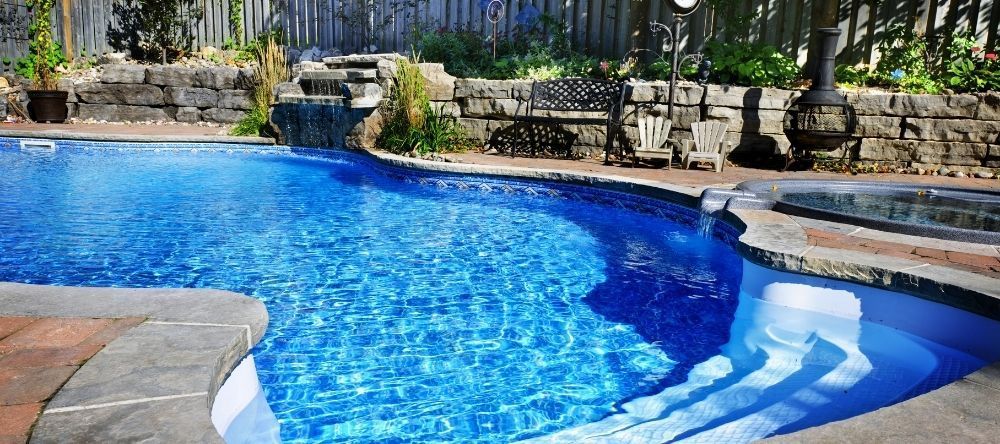
Above Ground vs. Inground Pools: Pros and Cons
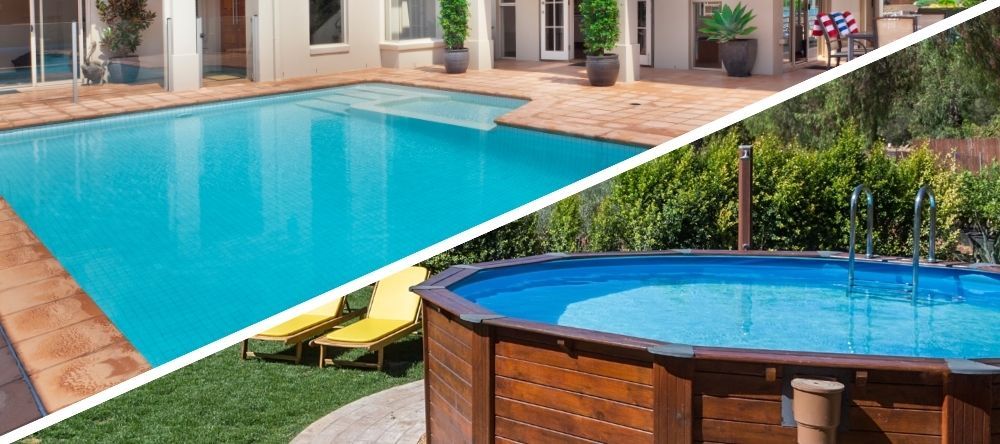
When considering adding a pool to your property, one of the first decisions you'll need to make is whether to choose an above ground or inground pool. Both options have their own set of advantages and disadvantages, which can impact your overall satisfaction with your pool. Here's a closer look at the pros and cons of each:


Above Ground Pools:


Pros:


● Cost-Effective: Above ground pools are generally more affordable than inground pools, making them a popular choice for budget-conscious homeowners.


● Easy Installation: These pools can be installed relatively quickly and without the need for extensive excavation, making them a convenient option.


● Portability: If you move, you can take your above ground pool with you, unlike inground pools which are permanent fixtures.


Cons:


● Limited Aesthetics: Above ground pools may not offer the same visual appeal as inground pools, which can impact the overall look of your backyard.


● Durability Concerns: While modern above ground pools are made from durable materials, they may not last as long as inground pools.


● Limited Size and Depth: Above ground pools are typically smaller and shallower than inground pools, which may limit their usability for some homeowners.


Inground Pools:


Pros:


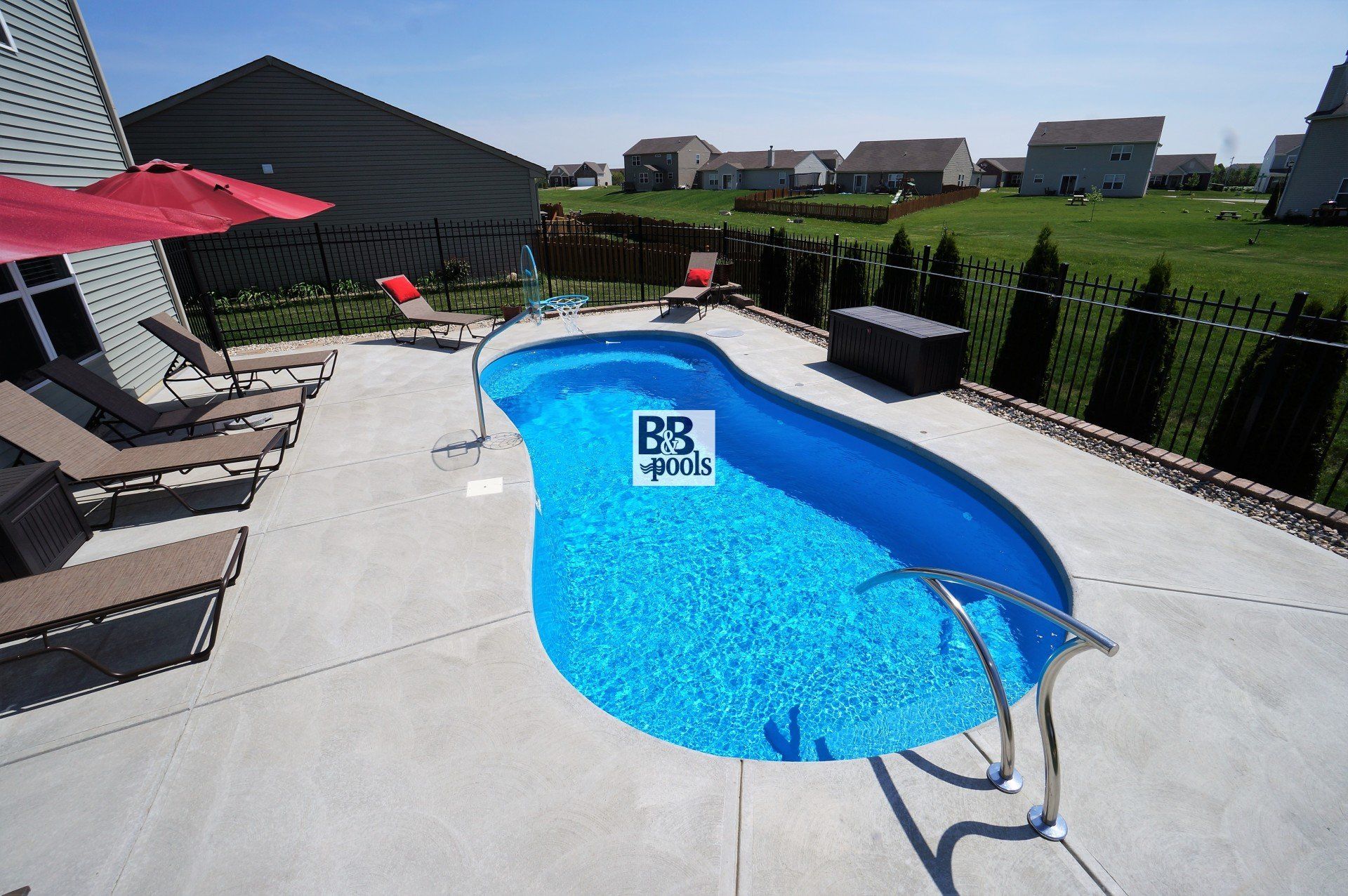
● Design Flexibility: Inground pools can be customized in terms of shape, size, and depth, allowing you to create a pool that fits your specific needs and preferences.


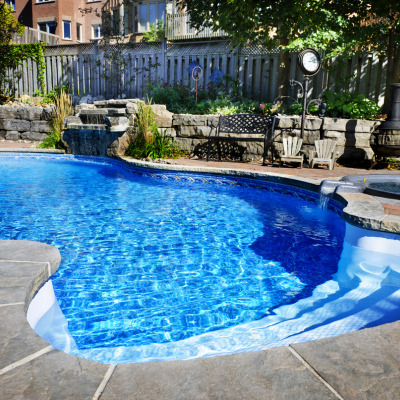
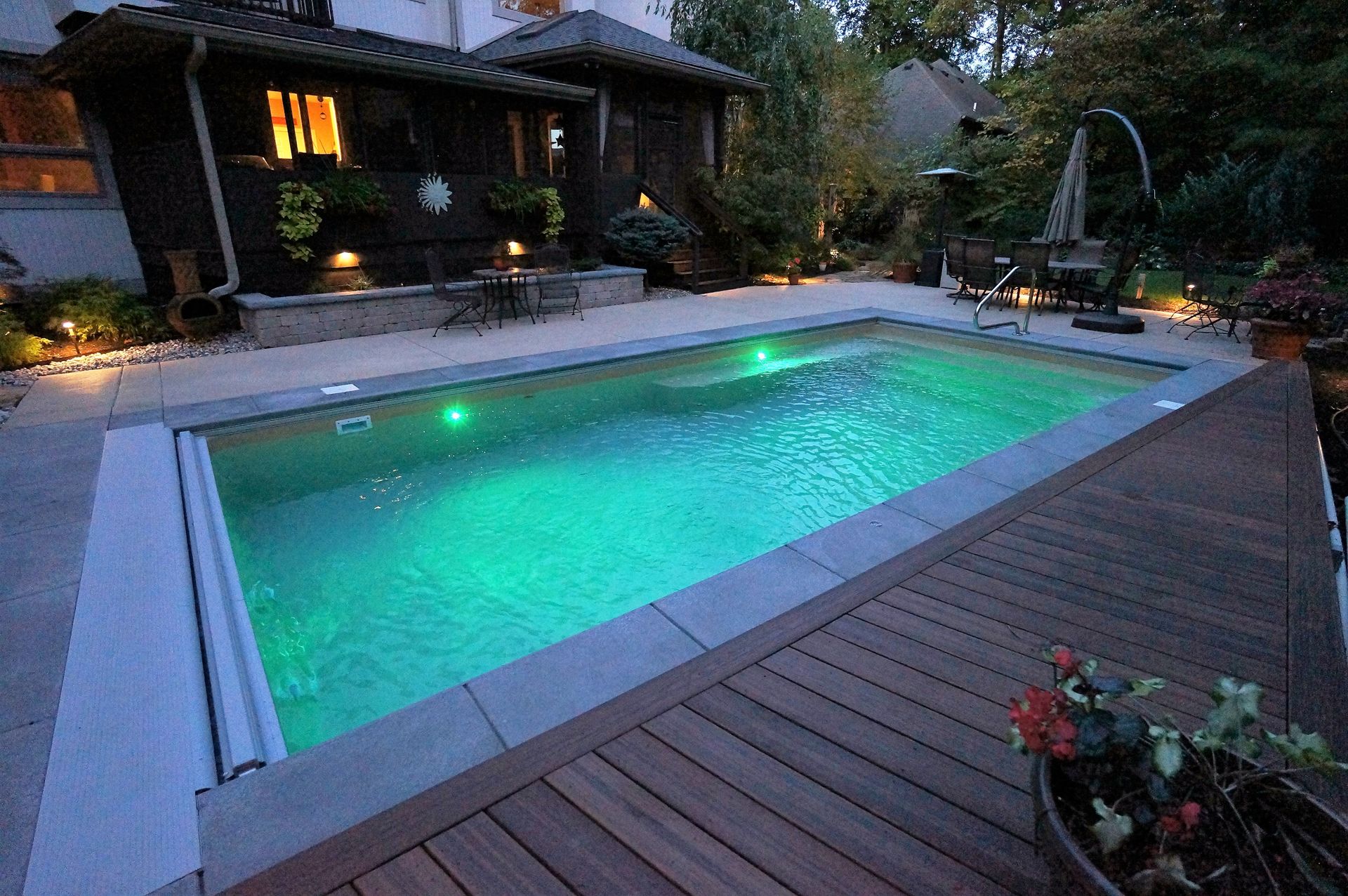
● Aesthetics: Inground pools are often considered more visually appealing than above ground pools, adding to the overall value of your property.


● Longevity: Properly maintained inground pools can last for decades, providing long-term enjoyment for your family.


Cons:


● Higher Cost: Inground pools are generally more expensive to install than above ground pools, primarily due to the excavation and construction involved.


● Longer Installation Time: Building an inground pool can take several weeks or even months, depending on the complexity of the design.


● Permanent Fixture: Unlike above ground pools, inground pools cannot be easily moved, so you'll need to be sure of your decision before installation.


Ultimately, the choice between an above ground and inground pool will depend on your budget, space, and aesthetic preferences. Both options offer unique benefits, so it's essential to weigh the pros and cons carefully before making your decision.

a.brock • June 15, 2024
By December 15, 2025
Modern pool installation and repair trends are focused on style, efficiency, and technology—transforming backyards into luxurious and sustainable retreats.
By December 1, 2025
Vinyl-liner pools generally have a lower upfront cost and flexible installation options, making them attractive for homeowners on a budget.
By November 15, 2025
Whether your pool is showing signs of age or you simply want to enhance its features, a renovation can breathe new life into your backyard oasis.
By November 1, 2025
Estimating your pool project means looking beyond just the price tag. From construction costs and maintenance to permits and local regulations, every detail matters.
By October 15, 2025
Pool automation systems make it easier than ever to manage maintenance, comfort, and safety with just a few taps on your smartphone or tablet.
By October 1, 2025
Building a pool blends creativity, construction, and care. With the right builder, you’ll not only love the final result—you’ll enjoy the journey ge
By September 15, 2025
From balancing water chemistry to draining equipment and securing a tight-fitting cover, taking the time to properly close your pool pays off in the long run.
By September 1, 2025
By keeping your chemistry balanced, your filtration system running, and your cleaning routine on schedule, you’ll enjoy a sparkling pool all season long.
By a.brock August 15, 2025
Pool leaks can cause significant damage if left undetected, leading to higher repair costs and water waste. Identifying a leak early on can save you time and money. Here’s how to spot the warning signs before the problem escalates. Check for Unexplained Water Loss One of the most common signs of a pool leak is unexplained water loss. If you notice that the water level in your pool is dropping faster than usual—despite normal evaporation—it could indicate a leak. To check, conduct the "bucket test" by placing a bucket of water on the pool steps and comparing the water loss in both the pool and bucket over 24 hours. Look for Wet or Damp Areas Around the Pool Leaking water may pool around the perimeter of your pool area, creating damp or soggy spots in your yard. If you see any consistently wet patches, especially after the pool’s filtration system has been running, it may indicate a leak in the plumbing or pool structure. Inspect the Pool’s Surface for Cracks Cracks or visible damage in the pool’s surface can also signal a leak. These cracks may appear in the plaster, tiles, or the pool’s foundation. Pay close attention to any areas of the pool that seem to be deteriorating. Monitor the Pool Equipment Check your pool’s pump, filter, and skimmer for any signs of damage or unusual water flow. Leaks in the plumbing can cause decreased water pressure, which may lead to more serious issues if not addressed promptly. Spotting a pool leak early is all about vigilance. Unusual water loss, damp spots, surface cracks, or equipment issues are all red flags that shouldn’t be ignored. Catching these signs early means faster fixes, lower costs, and a healthier, more efficient pool in the long run.
By August 1, 2025
A pool is a luxury worth protecting, and one of the smartest upgrades you can make is an automated pool cover. With the push of a button, it keeps your pool cleaner, safer, and more energy-efficient—saving time, money, and hassle. Why an Automated Pool Cover Is a Smart Investment  Automated covers create a secure barrier that prevents accidental falls, making them essential for families with kids or pets. They also trap heat, lowering heating costs, and reduce evaporation, which helps conserve water. By blocking sunlight, they slow chemical breakdown, meaning fewer trips to the store for chlorine. Types of Automated Pool Covers Track-mounted covers are ideal for rectangular pools, offering the tightest seal for safety and efficiency. Under-track covers are hidden for a sleek, modern look, perfect for new pool builds or major renovations. For existing or irregularly shaped pools, recessed track systems blend into the deck while still providing smooth, automated operation. How to Choose the Right Pool Cover When selecting a cover, look for durable materials like reinforced vinyl, a reliable motor for smooth operation, and compliance with ASTM safety standards. Maintenance accessibility is important—choose a design that’s easy to clean and service. Professional installation ensures proper fit and safety, and occasional track lubrication will keep the system running smoothly. More Safety, Less Hassle An automated pool cover isn’t just about convenience—it’s a long-term investment in safety, savings, and peace of mind. The right cover keeps your pool secure, reduces costs, and makes ownership easier. With this upgrade, you can spend less time maintaining your pool and more time enjoying it.